
Teeth whitening is a simple way to brighten your smile and boost your confidence, but sometimes it comes with an unwelcome side effect—sensitivity. If your teeth ache or feel extra sensitive after a whitening session, you’re not alone. Many people experience this temporary discomfort, and it’s totally manageable with the right information and care.
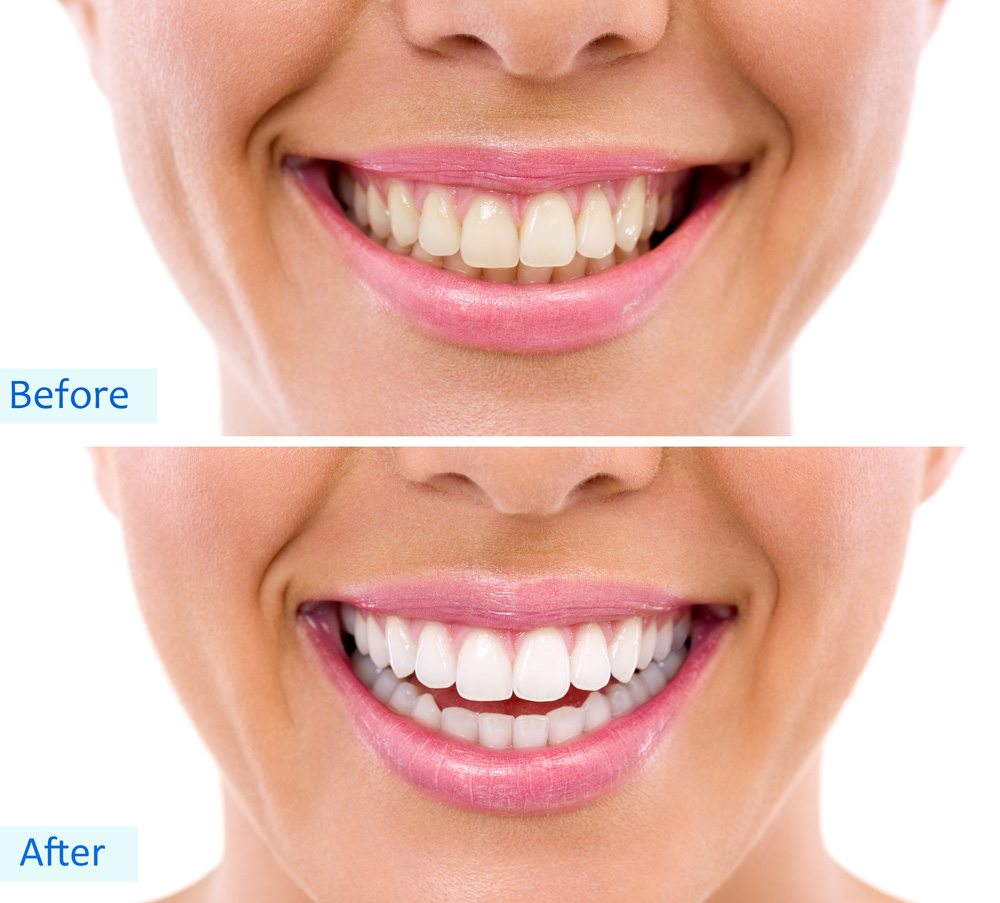
At Lane & Associates Family Dentistry, we’re here to not only help you achieve a dazzling smile comfortably but also to guide you through any concerns that pop up along the way. Let’s explore why teeth can hurt after whitening, how to reduce sensitivity, and why professional whitening may be your safest and most effective option.
If you have questions about professional teeth whitening or would like to see if you qualify for our Free Whitening Program,
contact us below or call us at 1-877-526-3337.
Contact Our Team | Learn About Our Free Teeth Whitening Program
When you whiten your teeth, you’re essentially using bleaching agents like hydrogen peroxide or carbamide peroxide to break down stains and discoloration on your enamel. While effective, these agents can penetrate your enamel and irritate the nerves inside your teeth temporarily.
If you already have thin or weakened enamel, you might notice heightened sensitivity. Factors like overusing whitening products or improper application can increase the sensitivity, and here’s why:
Before your treatment, switch to a desensitizing toothpaste like one containing potassium nitrate or fluoride. These ingredients help block nerve signals and strengthen enamel.
Professional whitening options at Lane & Associates ensure safety and precision. Unlike over-the-counter products, our dental team customizes treatment for your teeth to minimize the chance of sensitivity.
Taking a nonsteroidal anti-inflammatory drug (NSAID) like ibuprofen before your whitening session can preemptively reduce inflammation-related discomfort.
If you’re whitening at home, adhere to the recommended timelines. Leaving whitening strips or trays on for too long can damage your enamel.
Always brush your teeth before whitening rather than after. Whitening can temporarily weaken enamel, making it more prone to abrasion from brushing.
To maintain long-term oral health, avoid frequent whitening applications. Twice a year under professional supervision is enough for most people to achieve and maintain a radiant smile.
Did you know that certain foods and drinks can stain your teeth? Coffee, tea, red wine, and dark-colored berries are some of the biggest culprits. If you want to maintain a bright smile, try limiting your intake of these items or rinsing with water after consuming them. Additionally, incorporating more crunchy fruits and vegetables into your diet can help naturally whiten your teeth by gently scrubbing away surface stains.
Maintaining good oral hygiene and regularly brushing and flossing are essential for maintaining a white smile. Make sure to brush at least twice a day and floss daily to remove any plaque or food particles that may be causing disc
The good news is that post-whitening sensitivity is usually temporary. Most people notice discomfort for 24 to 48 hours following a whitening session. This is because your enamel naturally remineralizes over time, restoring its protective barrier. However, if the sensitivity lasts longer than two days or becomes severe, you should reach out to your dentist for advice.
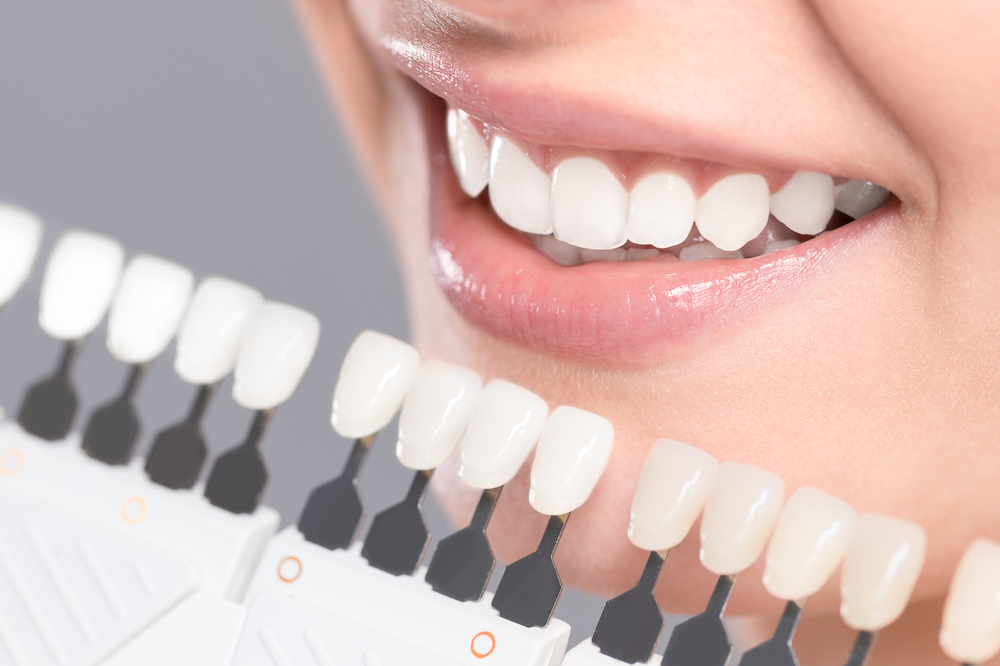
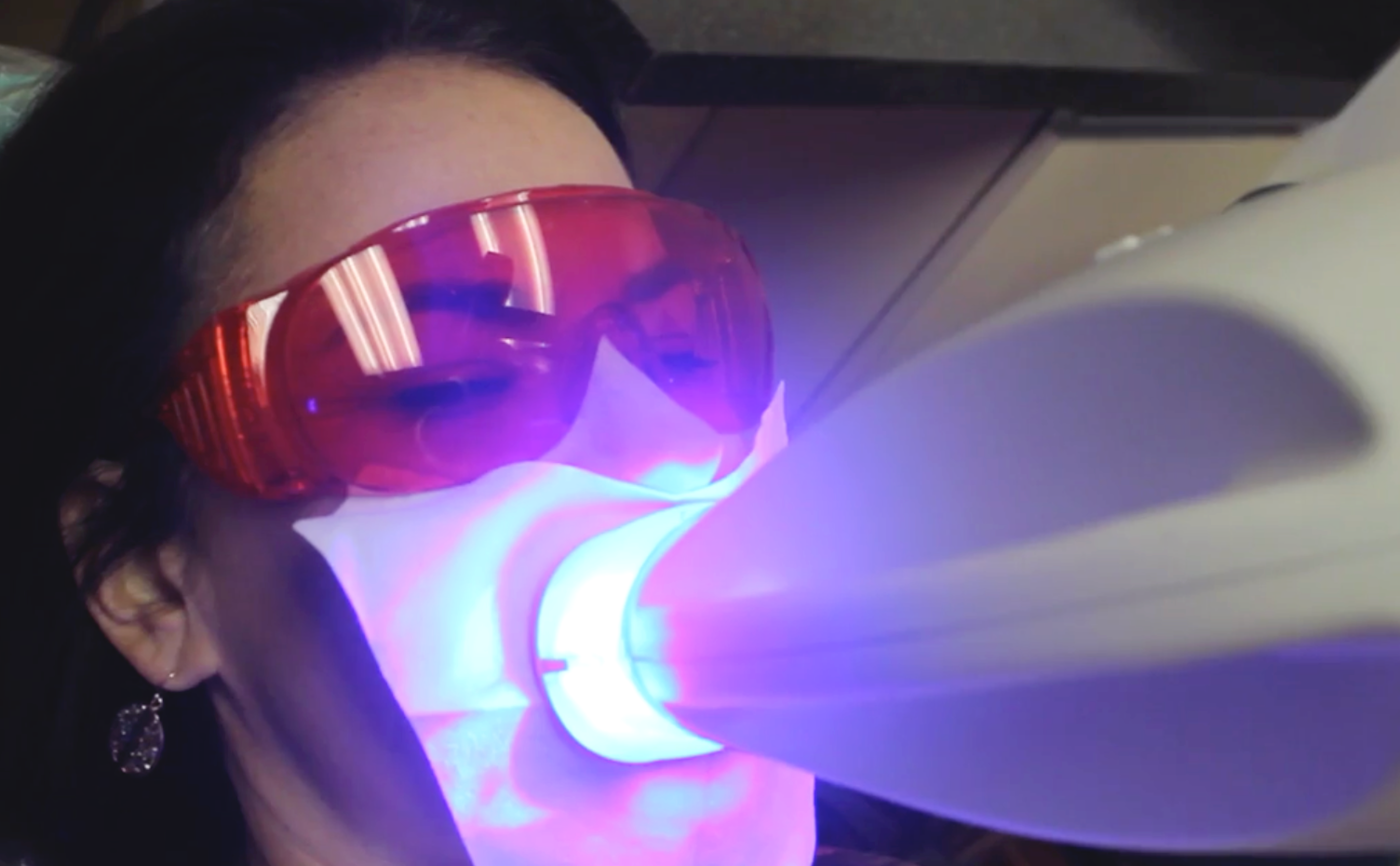
Despite some discomfort for patients with sensitivity, tooth whitening is a safe cosmetic dentistry practice when done currently. If you whiten at home, be sure to follow the directions and never leave strips or trays in for longer than suggested. If you have your whitening done at our dentist’s office, you can be confident that your dentist is using safe techniques and materials. Feel free to ask for more information from your dentist if you have any questions.
It’s tempting to grab an over-the-counter kit and start whitening at home, but excessive or incorrect use can lead to permanent enamel damage, gum irritation, or uneven results. Professional whitening, like the services offered at Lane & Associates, comes with several advantages:
Is tooth whitening safe? Absolutely—but only when done right. While over-the-counter products promise fast results, they often lead to issues like uneven whitening, gum irritation, or prolonged sensitivity. At Lane & Associates Family Dentistry, we put your safety and comfort first.
Whether you’re curious about our Free Whitening Program, need a routine cleaning, or want to explore cosmetic options like veneers or Invisalign, we’ve got you covered. Schedule a consultation today and take the first step toward a brighter smile you’ll love.